
Owning and maintaining a premium high-end vehicle is not cheap. No matter what you do, the fundamental point of buying a great luxury car like a BMW is to be able to maintain it.
BMW has some amazingly reliable models available in the market, but when your BMW breaks down, the maintenance cost is two times high.
When you own some other expensive vehicle, you’re expected to pay $652 for its annual maintenance, but the annual cost of most BMWs can break your budget. For a well-kept BMW outside its included coverage, plan for roughly $1,000 to $2,000 a year in routine service and normal wear. Older, high-mileage, V8 and M cars can run well above that.
Below are the numbers people ask about most, plus what to skip, what never to skip, and whether a maintenance plan makes sense.
- What Is the Average Annual BMW Maintenance Cost?
- BMW Maintenance Cost by Model
- Common BMW Maintenance Services and Costs
- Why Is BMW Labor So Expensive?
- How Much Will a BMW Cost in the First Year of Ownership?
- Which BMW Is the Cheapest to Own and Maintain?
- BMW Maintenance Schedule: The Practical Checklist
- BMW Inspection I & II
- Used BMW Maintenance: What to Check Before Buying
- BMW Maintenance vs Honda or Toyota: How Different Is It?
- What Are the Most Expensive BMW Repairs?
- Hidden BMW Maintenance Costs Nobody Tells You About
- What BMW Services Can I Skip to Save Money?
- How Much Does a BMW Warranty Diagnostic Cost?
- The Bottom Line
What Is the Average Annual BMW Maintenance Cost?
According to RepairPal, the average annual maintenance cost for BMW ranges from $1,000 to $2,500, depending on the model and required services. On average, this rounds out to about $968 annually.
When you compare it to other German luxury brands, BMW is the most expensive to maintain compared to Audi ($570), Mercedes ($908), and Volkswagen ($676).
Repairs come on top of that. A repair reserve of roughly $500 to $1,500 a year is sensible for a car that is past coverage, especially if the service history is thin.
What BMW Maintenance Costs Per Year
Routine service and normal wear, by ownership profile
autosgrind.com | Planning ranges per year, not quotes
BMW Maintenance Cost by Model
Your model and engine change the bill more than the badge does. These are planning ranges for a car outside warranty that cover routine service and normal wear, not big repairs. Below are the yearly maintenance costs for some popular models from independent resources.
BMW Maintenance Cost by Model
Yearly planning range, out of warranty
autosgrind.com | Out-of-warranty planning ranges, routine service and wear only
These numbers depict the average maintenance cost specific BMW model owners would face. BMW models average around $16,218 for maintenance and repair costs during their first 10 years of service.
This is more than the industry average for luxury brands by $3,114. There is also a 46.33% chance that a BMW will require a major repair during that time.
You May Also Read: Most Reliable Cars
Common BMW Maintenance Services and Costs
The most common BMW services are oil changes, brakes, spark plugs, filters and battery replacement. Together they make up most of a normal year’s bill.
Oil service is the cheapest item on the list but the one you will pay for most often. Brakes and tires are the big swings. A set of run-flats or a full brake job with rotors can cost as much as several oil services combined.
A few things push costs up: larger wheels, xDrive and M models raise brake and tire prices. Tight engine bays raise labor on jobs like spark plugs. Battery work costs more than the battery because the new one usually has to be registered to the car.
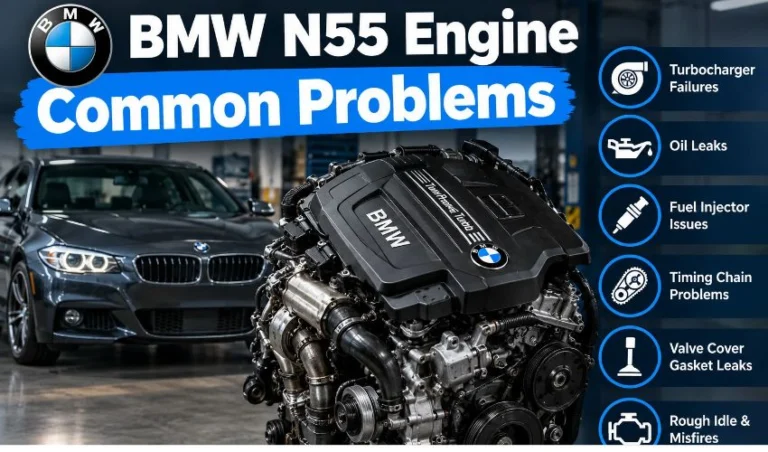
Another thing to note is that the costs are not same with every BMW engine – you may experience less maintenance costs with the BMW B58 but face common problems with the N55 or N54.
Common BMW Maintenance Services and Costs
Typical U.S. ranges, parts and labor
- $150 to $350
Oil and filter service
When CBS shows it
More for M and larger engines
- $700 to $2,000+
Brake pads and rotors
When worn, front and rear differ
Price is per axle
- $300 to $900+
Spark plugs
By engine and model year
Access affects labor
- $100 to $350
Cabin and engine air filters
By schedule or inspection
Combined price
- $300 to $700+
Battery registration and replacement
By age and condition
Depends on battery type
- $900 to $2,000+
Tires
When worn or damaged
Price is per set
autosgrind.com
To keep costs down, get quotes from a dealer and an independent BMW specialist, and ask what is required now and what can wait.
You May Like: Best Used Luxury Cars Under $30k
Why Is BMW Labor So Expensive?
BMW labor is expensive because the work needs BMW-specific tools, software and training, and many jobs take longer than they look. Dealer labor rates often run roughly $150 to $300 an hour, depending on region. Independent BMW specialists are often lower.
Here is what pushes the rate and the hours up:
- Tools and software. Diagnosing a modern BMW takes factory-level software, and the shop pays for it.
- Coding and programming. Many parts, like a new battery or module, must be registered or coded to the car.
- Tight engine bays. Spark plugs, oil filter housings and water pumps can sit under other parts, so labor adds up.
- Book time. Shops charge a set number of hours per job, no matter how fast a tech works.
- Dealer overhead. Showrooms, loaner cars and staff are built into the hourly rate.
The parts are only half the bill on many jobs. A cheaper part can still leave you with a big invoice if the job takes four hours.
How Much Will a BMW Cost in the First Year of Ownership?
For a new BMW, first-year maintenance is often close to $0, because scheduled service is usually included for the first few years. In the U.S., BMW has offered complimentary Ultimate Care for 3 years or 36,000 miles on new cars. Check your own paperwork, since terms vary by model and market.
The real first-year cost is everything else. Depreciation is the biggest one, then insurance, registration, fuel and any tires or wipers you replace.
For a used BMW, the first year looks different:
| First-year item | Typical range |
|---|---|
| Pre-purchase inspection | $150 to $300 |
| Catch-up service (fluids, filters, plugs) | $500 to $2,000 |
| Tires or brakes if worn | $700 to $2,000+ |
| Repair reserve | $500 to $1,500 |
Buy a used BMW with a full service history and you will land at the low end of those numbers. Buy one with gaps and you will pay to catch up.
Which BMW Is the Cheapest to Own and Maintain?
The cheapest BMWs to maintain are usually the simple ones: four-cylinder 2 Series and 3 Series cars, the smaller X1, and the electric i4. They have fewer big-ticket parts and lower tire and brake costs than the larger models.
Fewer cylinders, smaller wheels and rear-wheel drive all help. Adding xDrive, adaptive suspension or a V8 pushes costs up.
Age matters as much as model – A newer, well-documented 330i can cost less over three years than a neglected older 5 Series. Many independent shops also point to older naturally aspirated six-cylinder cars as simpler to keep running.
Whatever you pick, pay for a pre-purchase inspection costing about $150 to $300 and can save thousands.
BMW Maintenance Schedule: The Practical Checklist
Most modern BMWs tell you what is due through Condition Based Service (CBS), and your VIN-specific schedule in the owner’s manual is the final word. CBS tracks time, mileage and how you drive, then shows reminders in the dash or iDrive for items like oil, brake fluid and inspections.
Use the table below as a rough checklist. Exact timing changes with the engine, model year and market.
| When | What to do | Why it matters |
|---|---|---|
| Monthly | Check tire pressure and tread, look for leaks, test the lights | Low pressure and uneven wear get expensive fast |
| Around 10,000 miles (When CBS shows it) | Engine oil and filter, plus a general inspection | Short trips and stop-and-go driving are harder on oil than highway miles |
| About every 2 years | Brake fluid change and battery check | Brake fluid absorbs moisture over time, and BMW batteries often need registration |
| Around 60,000 miles | Cabin filter, engine air filter, spark plugs | Timing depends on the engine and how you drive |
| By mileage and model | Coolant, transmission, transfer case and differential fluids | Do not assume every fluid or drivetrain has the same interval |
BMW Inspection I & II
To keep your vehicle in updated condition, BMW offers two inspections, “BMW Inspection I & II“and these two are different from one another in many ways.
Do have a look to understand what it is and how it works.
Inspection I
On the traditional schedule, this inspection is done at 30,000 miles, then again at 90,000. It includes:
- Oil and filter change
- Full fluid check (brake, power steering, coolant, washer fluid)
- Brake and undercarriage inspection
- Electrical systems scan with BMW’s diagnostic tool
Inspection II
This inspection is done at 60,000 miles, then again at 120,000. It includes everything in Inspection I, plus:
- New spark plugs
- New air filter
- New fuel filter
- Transmission fluid change (often)
Most BMWs built since the mid-2000s use Condition Based Service (CBS), which sets the real due date from your driving style and sensor data. Check the service menu in iDrive for your car’s actual timing.
Used BMW Maintenance: What to Check Before Buying

Before buying a used BMW, read the service records, scan for stored faults and pay for an inspection by a BMW specialist. A clean exterior and a low price tell you very little.
Start with the paperwork. Look for invoices covering these items:
- Oil and filter services
- Brake fluid changes
- Spark plugs and filters
- Brakes and tires
- Any drivetrain fluid work that applies to that model
Then check the car itself:
- Recalls and campaigns. Run the VIN for open recalls and software updates.
- Stored faults. Have the car scanned, since warning lights can be cleared before a sale.
- Leaks. Look under the car and around the engine for oil and coolant seepage.
- Cooling system. Check hoses, the expansion tank and coolant level.
- Battery, suspension and steering. Listen for knocks and check for a loose feel.
- Tires. Look at age, brand match and uneven wear, which can point to alignment or suspension problems.
Ask the seller straight questions about tuning, track use, accident repairs and water damage. Modifications can affect reliability, warranty and insurance.
A pre-purchase inspection usually costs about $150 to $300. If it finds problems, use the report to negotiate the price or walk away. Budget for catch-up service after you buy too, often $500 to $2,000 on a car with gaps in its history.
Watch for red flags: no records, mismatched tires, recently cleared warning lights, or a seller who will not allow an independent inspection.
BMW Maintenance vs Honda or Toyota: How Different Is It?
A BMW typically costs about double a Honda or Toyota to keep up, and sometimes more. The gap comes from parts, labor and the size of the wheels and brakes.
BMW vs Honda and Toyota: Service Costs
Typical U.S. ranges on a shared $0 to $2,000 scale
autosgrind.com | Typical U.S. planning ranges, not quotes | 2026
Run-flat tires, bigger brakes and premium parts explain most of it. Toyota and Honda also tend to have fewer surprise repairs as the car ages. If cost is your top priority, a Camry or Accord wins. If you want the drive and accept the bill, a BMW can still make sense.
What Are the Most Expensive BMW Repairs?
The most expensive BMW repairs are engine and transmission work, turbo and timing chain jobs, air suspension, and high-voltage battery packs on electric models. These are rough shop estimates. Your bill depends on the engine and the shop.
| Repair | Rough cost |
|---|---|
| Transmission replacement or major rebuild | $4,000 to $8,000+ |
| Turbocharger replacement | $2,500 to $5,000 |
| Timing chain work (some engines) | $2,500 to $4,500+ |
| Air suspension (per corner or full set) | $1,500 to $4,000 |
| Cooling system overhaul (pump, thermostat, hoses) | $800 to $2,000 |
| Oil leak repair (valve cover, filter housing) | $500 to $1,800 |
| Out-of-warranty EV battery pack | $10,000+ |
Some engines have their own known weak points, like the V8 in some older M and X5 models. Research the exact engine before you buy.
Two things cut your risk: a full service history and a pre-purchase inspection from someone who knows BMWs.
Hidden BMW Maintenance Costs Nobody Tells You About
Hidden BMW costs are the things owners do not budget for: tires, brake rotors, coding fees and repeat visits. They are small on their own, but they add up.
- Run-flat and staggered tires. A set can cost far more than a normal family car, and front and rear sizes may differ.
- Rotors, not just pads. Many BMWs need rotors with every pad change.
- Battery registration. A new battery often has to be coded to the car, so the job costs more than the battery.
- Diagnostic fees. Warning light can cost about an hour of labor before any repair starts.
- Alignment after impacts. One pothole can chew through an expensive tire.
- Software campaigns and recalls. Free at the dealer, but they cost you time.
- Insurance and depreciation. Neither is maintenance, but both belong in your total ownership budget.
What BMW Services Can I Skip to Save Money?
BMW Maintenance: Skip It or Never Skip It?
Save money on extras, not on the basics
Safe to skip or cut
- Engine flush add-ons
- Fuel system cleaning add-ons
- Nitrogen tire fills
- Paint sealant upsells
- Dealer-priced air filters (DIY instead)
- Items not on your VIN schedule
Never skip
- Engine oil and filter service
- Brake fluid, about every 2 years
- Brake inspections, pads and rotors
- Coolant and cooling system checks
- Spark plugs when due
- Tires, alignment and open recalls
You can skip the extras and shrink the labor, but not the core services. The safest ways to save are to skip add-ons, do easy jobs yourself and use a good independent shop.
A gray area: some BMWs list transmission fluid as “lifetime.” Many specialists still service it as mileage climbs. Ask a BMW-experienced shop, and confirm the correct fluid for your gearbox.
Two simple habits save the most: keep records, and get two quotes on any job over $500.
How Much Does a BMW Warranty Diagnostic Cost?
Under warranty, diagnosing a covered fault is free. Outside warranty, a BMW diagnostic fee is often about one hour of labor, roughly $150 to $300 at a dealer and less at many independents.
Two tips that save money:
- Ask if the fee is credited toward the repair if you approve the work.
- Check whether the fault is covered before you drop the car off. Wear items and damage are usually not covered.
BMW’s New Vehicle Limited Warranty has run 4 years or 50,000 miles in the U.S., but check your car’s paperwork for the exact terms.
The Bottom Line
Budget roughly $1,000 to $2,000 a year for a BMW outside coverage, plus a repair reserve, and more for M, V8 and older cars. Pick a simple model, buy one with a full service history, and pay for an inspection.
Use an independent BMW specialist once coverage ends, skip the add-ons, and never skip oil, brake fluid or coolant. That is how you keep a BMW fun without letting it drain your wallet.